


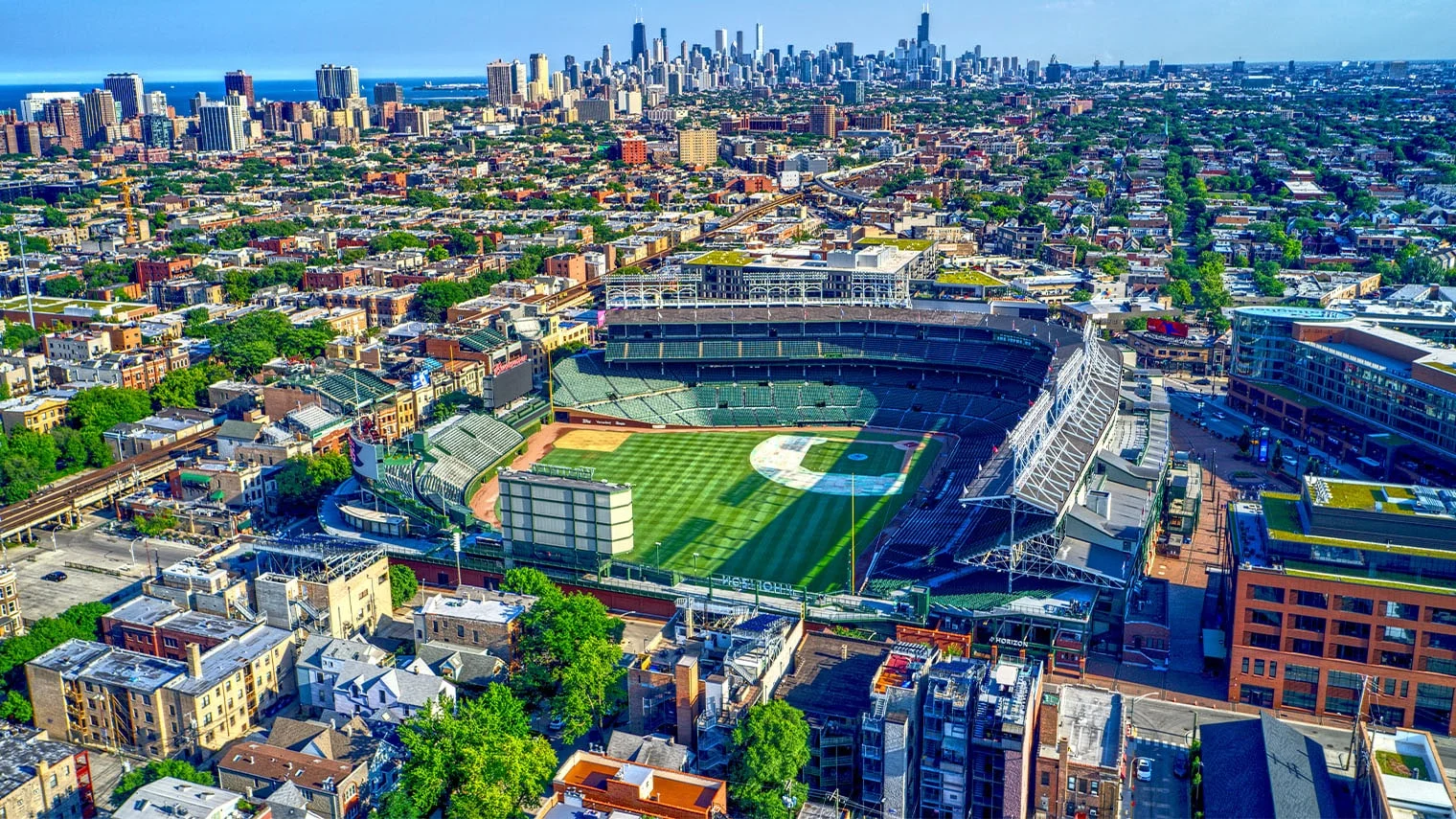
There’s no place in the city quite like Wrigleyville Chicago, whether you’re standing on the street corner hearing the collective roar of 41,000 fans echoing down Clark Street or wandering past historic greystones on a quiet Tuesday morning.
For decades, this high-energy pocket of the Lakeview neighborhood was known almost exclusively as a seasonal baseball mecca—a place that came alive only when the North Siders were in town. But if you haven’t visited recently, you’re missing out on one of the city's most dramatic evolutions. Today’s Wrigleyville has grown into a year-round entertainment powerhouse, seamlessly blending its rough-around-the-edges sports heritage with boutique hotels, destination dining, and legendary live music venues.
From die-hard Cub fans mapping out a game-day strategy to curious travelers looking to experience local culture outside the Loop, this neighborhood deserves a spot on your Chicago visit itinerary. Grab your favorite cap, a comfortable pair of walking shoes, and this ultimate guide to exploring Wrigleyville like a local.
Wrigleyville at a Glance
- What it is: The Chicago neighborhood surrounding Wrigley Field, home of the Chicago Cubs, inside the greater Lakeview area
- Best for: Baseball fans, live music lovers, nightlife, and boutique-hotel stays
- Signature spot: Wrigley Field and Gallagher Way
- Where to eat: Big Star Wrigleyville (tacos), Alma at Hotel Zachary (Mediterranean small plates)
- Where to drink: Murphy's Bleachers, the Cubby Bear, Mordecai
- Getting there from 360 CHICAGO: ~25 minutes via CTA Red Line (Chicago Ave. → Addison)
- Good to know: Parking is tight on game days — take the train or rideshare
A Brief History of Chicago’s Baseball Mecca
Long before it became a bustling city hub, the land beneath Wrigleyville was largely Swedish farmland. Everything shifted in 1914 when Weeghman Park was constructed on the corner of Clark and Addison streets. Initially built for a minor league team called the Chicago Whales, the stadium became home to the Chicago Cubs in 1916.
When chewing gum magnate William Wrigley Jr. bought the team in the 1920s, the stadium was renamed Wrigley Field, and the surrounding blocks evolved in tandem. Dense brick two-flats and classic Chicago greystones sprang up to house working-class families who wanted to live within arm's reach of the park. Today, that historic architecture stands side-by-side with gleaming new developments, creating a striking visual story of Chicago's past and future.
What makes this neighborhood unique compared to other sports districts across the country is its density. Instead of being surrounded by a sea of asphalt parking lots, Wrigley Field sits snugly inside a grid of residential streets. This integration means the stadium isn't just in the neighborhood; it is the neighborhood.
Top Things to Do in Wrigleyville
You don't need a baseball ticket to find fun things to do in Wrigleyville. While the stadium is the undisputed anchor of the community, the surrounding blocks offer a diverse mix of entertainment that keeps the neighborhood humming all year long.
Catch a Game at Historic Wrigley Field
Of course, the pinnacle of any visit is stepping inside the Friendly Confines. To plan your trip perfectly, keep a close eye on the official Chicago Cubs games schedule. If you want the most authentic, high-energy experience possible, look for tickets in the left or right-field bleachers. This is where the infamous "Cup Snake" is built, where home run balls from opposing teams are promptly thrown back onto the field, and where the energy stays dialed up to eleven from the first pitch to the last.
If you’re wondering how to watch Chicago Cubs games like a true local, the answer lies in the neighborhood's unique rooftop partners. A handful of historic buildings surrounding the stadium feature tiered stadium seating built directly onto their roofs, offering all-inclusive food, drinks, and a bird's-eye view of the field. Originally starting as neighbors watching games from lawn chairs on their roofs in the 1980s, these spaces have been transformed into luxury, high-end viewing decks that offer a completely different vantage point of the action.
Relax at Gallagher Way
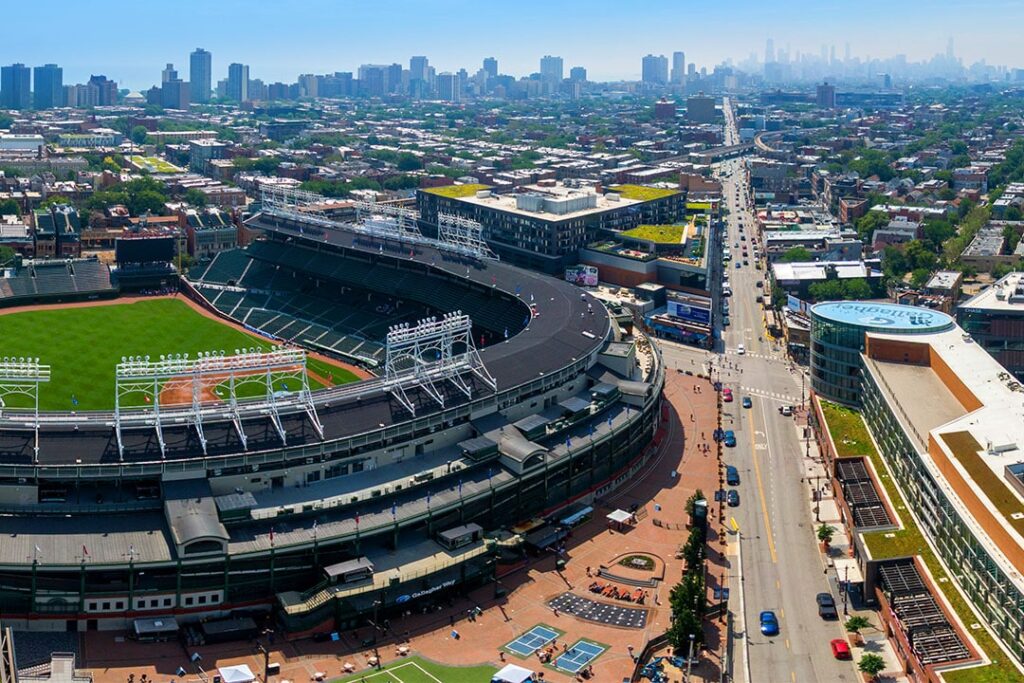
Located right outside the stadium’s western gates, Gallagher Way has transformed how locals interact with the neighborhood. This open-air community plaza serves as a town square for the North Side. On non-game days, you'll find families relaxing on the green, local food truck rallies, open-air morning yoga sessions, and live acoustic music. In the autumn and winter months, the plaza shifts gears completely, hosting seasonal winter markets, artisan craft fairs, and a massive ice-skating rink complete with bumper cars on ice.
Catch a Show at Metro Chicago
Looking for things to do in Wrigleyville Chicago after the sun goes down? Then make your way a block north of the stadium to Metro. Opening its doors in 1982, this independent music venue has hosted iconic acts ranging from R.E.M. and Nirvana to Pearl Jam and Chance the Rapper before they hit international superstardom. With its classic theater layout, great acoustics, and intimate floor space, catching an indie rock, punk, or electronic show here is a rite of passage for any Chicago music lover. Underneath the main floor lies smartbar, one of the city's premier underground dance clubs, showcasing world-renowned house and techno DJs late into the night.
Retail Therapy: Shopping Around the Field
While it may be dominated by team apparel shops, Wrigleyville has carved out a unique retail identity that mixes sports nostalgia with local boutique shopping.
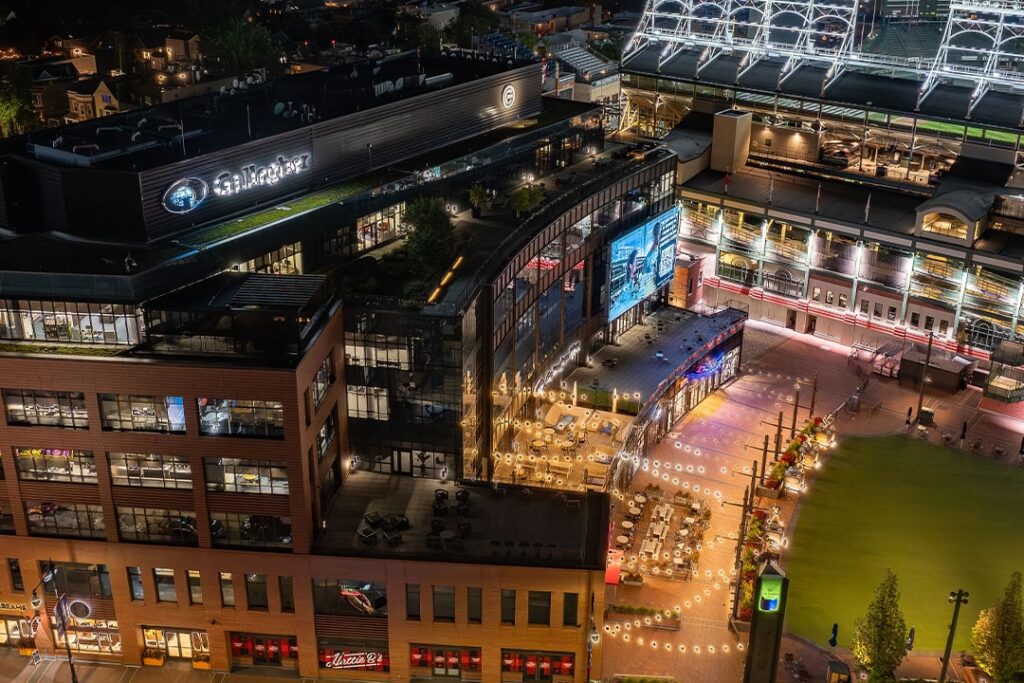
You can gear up at the Cubs Store at Gallagher Way where two massive floors offer everything from game-worn jerseys to limited-edition designer collaborations. For non-sports shopping, the neighborhood's western boundaries bleed into the vibrant Southport Corridor, offering independent bookstores, local shoe boutiques, and artisanal home goods shops perfect for a leisurely afternoon stroll away from the stadium crowds.
Best Places to Eat in Wrigleyville
The days of Wrigleyville dining being limited to processed cheese nachos and standard stadium hot dogs are long gone. The modern culinary landscape features some of the best places to eat in Wrigleyville, offering everything from Michelin-recognized street food to refined sit-down dinners.
Casual Game-Day Bites & Tacos
For a laid-back meal that hits the spot before or after a game, the neighborhood boasts a thriving taco and burger scene. Big Star Wrigleyville, located right across from the park, serves up their famous whiskey cocktails and scratch-made tacos on a massive second-story patio overlooking the stadium marquee. For classic comfort food cravings, local slice shops and smash-burger joints line Clark Street, offering fast, high-quality fuel for your neighborhood trek. Don't skip Swift & Sons Tavern, a casual neighborhood eatery across from the marquee that serves up classics like prime rib sandwiches and house-made soft pretzels with beer cheese.
Sit-Down Dinners & Unique Eats
When searching for more upscale places to eat in Wrigleyville, look just beyond the main sports bars. The neighborhood features phenomenal sit-down options like Alma, an intimate space inside the Hotel Zachary boasting vibrant, locally sourced Mediterranean-inspired small plates and craft cocktails. Cozy, wood-fired pizzerias and high-end smokehouses also dot the side streets, making it easy to enjoy a quiet, candlelit dinner just steps away from the bustling stadium gates.

The Legendary Nightlife: Wrigleyville Bars
No guide to this neighborhood would be complete without exploring the famous strip of taverns running along Clark Street. The sheer density of historic watering holes makes exploring Wrigleyville bars in Chicago an unforgettable nightlife experience.
Historic Gems on Clark Street
For a true dose of nostalgia, head to Murphy’s Bleachers. Sitting right at the intersection of Sheffield and Waveland avenues since the 1930s, this legendary spot is plastered with historic sports memorabilia and features a sprawling, sidewalk-adjacent patio that is the epicenter of pre-game energy. Just around the corner on Clark, the Cubby Bear offers a huge multi-room space that has hosted historic game-day celebrations and live rock shows for generations. Another must-visit is The Gman Tavern, located right next to Metro, which offers a gritty, music-focused dive bar atmosphere with an exceptional vinyl jukebox.
Modern Cocktail Lounges & Patios
If sports pubs aren't your speed, the newer wave of Wrigleyville bars Chicago IL offers a more upscale atmosphere. Chic hotel lounges, glass-enclosed rooftops with pristine stadium views, and hidden speakeasies have popped up throughout the district. These spots exchange light beer pitchers for house-infused spirits, artisanal ice cubes, and curated wine lists, perfect for a sophisticated night out. Check out Mordecai, a bi-level cocktail bar that boasts one of the most impressive collections of rare, vintage spirits and whiskeys in the entire country.
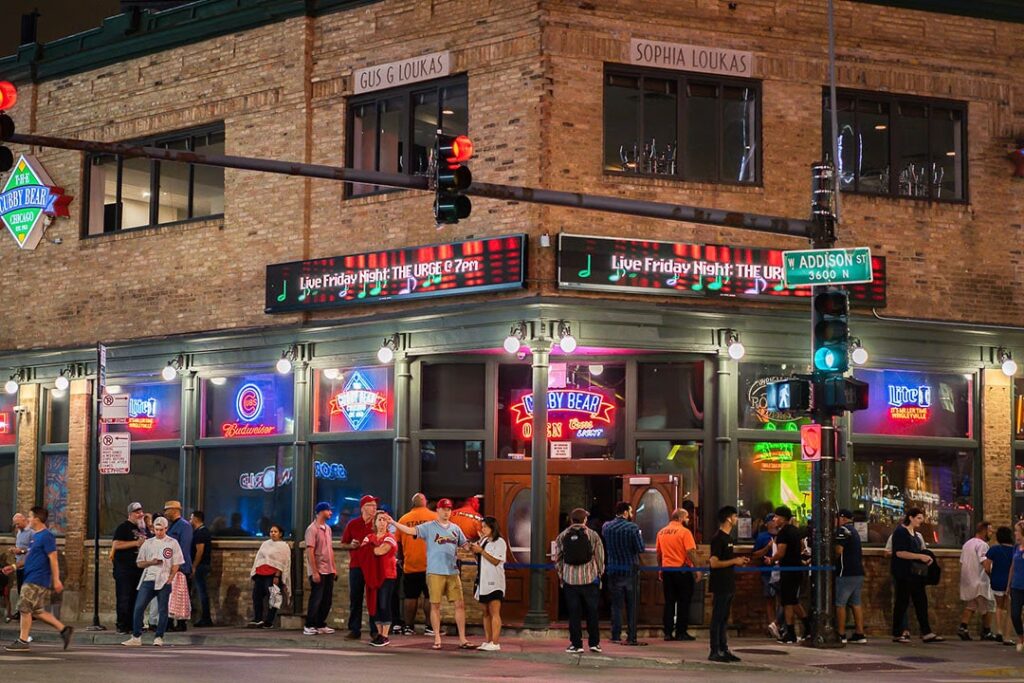
Photo credit: cubbybear.com
Hotels in Wrigleyville Chicago: Where to Stay
To fully immerse yourself in the local rhythm, skipping the downtown high-rises and booking one of the premier hotels in Wrigleyville Chicago is a fantastic choice. Staying in the heart of the neighborhood lets you experience the peaceful, leafy charm of the morning hours before the crowds arrive.
Hotel Zachary at Gallagher Way
The crown jewel of lodging in the area is the Hotel Zachary. Situated right across the street from Wrigley Field, this boutique hotel is named after Zachary Taylor Davis, the famous Chicago architect who designed the stadium in 1914. The property perfectly balances historic nods like blueprint-inspired artwork and warm hardwood finishes with luxurious modern amenities. Its second-floor lounge features a show-stopping outdoor terrace overlooking the marquee, making it the ultimate home base for a baseball weekend.
Cozy Local Guesthouses and Boutique Stays
Visitors who are seeking a quieter, more residential vibe can find charming boutique hotels and historic bed & breakfasts along the outer edges of the neighborhood. Tucked away on tree-lined side streets, these smaller properties give you an authentic taste of what it feels like to live in a classic Chicago neighborhood, while still keeping you a short, five-minute walk from all the action.
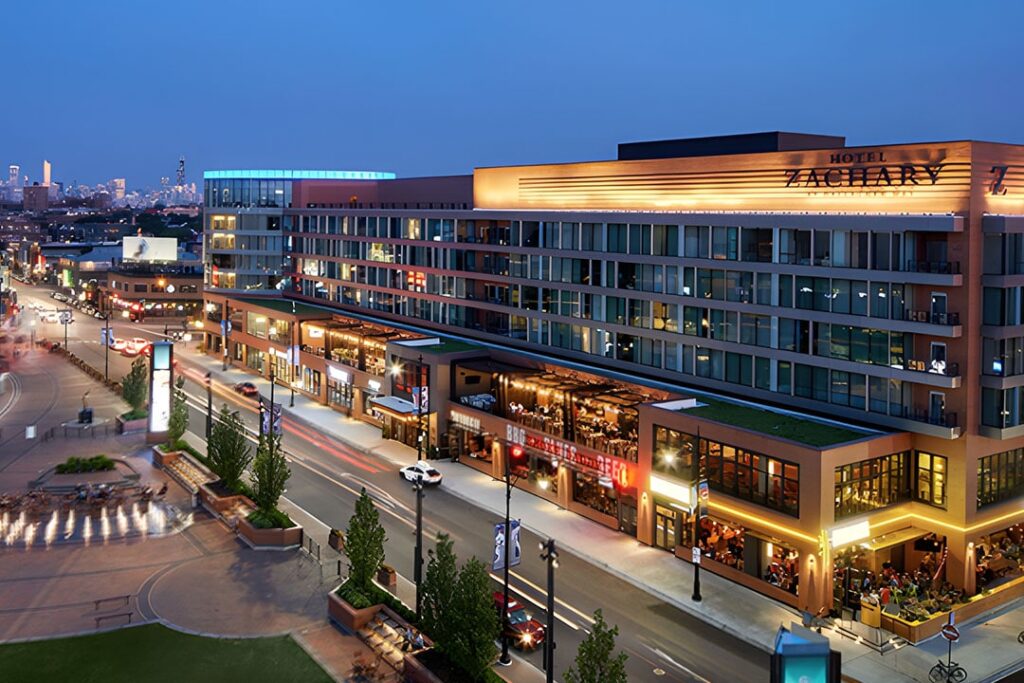
Photo credit: hotelzachary.com/
Insider Tips for Your Visit
To ensure your Chicago trip goes as smoothly as possible, keep these local secrets in mind:
Explore the Rooftops on Waveland: Even if you don't buy a rooftop ticket, walking down Waveland Avenue during a game is a blast. You can hear the cracks of the bats and watch the outfielders from just outside the historic iron gates.
Check the Calendar: Before heading out, check the stadium schedule. If there’s a game or a major stadium concert, the neighborhood will be packed, and prices for parking and dining can surge. If you want a quiet meal or a relaxed stroll, visit on an "away game" day.
Ditch the Car: Parking in Wrigleyville is notoriously difficult and heavily restricted for residents only during night games. Rely on ride-shares, bikes, or public transit to save yourself a massive headache.
Getting to Wrigleyville from 360 CHICAGO
Pairing a trip to the sky with a neighborhood stroll is incredibly easy. After taking in the panoramic skyline views at 360 CHICAGO (located at the iconic former John Hancock Center), you can navigate to Wrigleyville in less than 25 minutes.
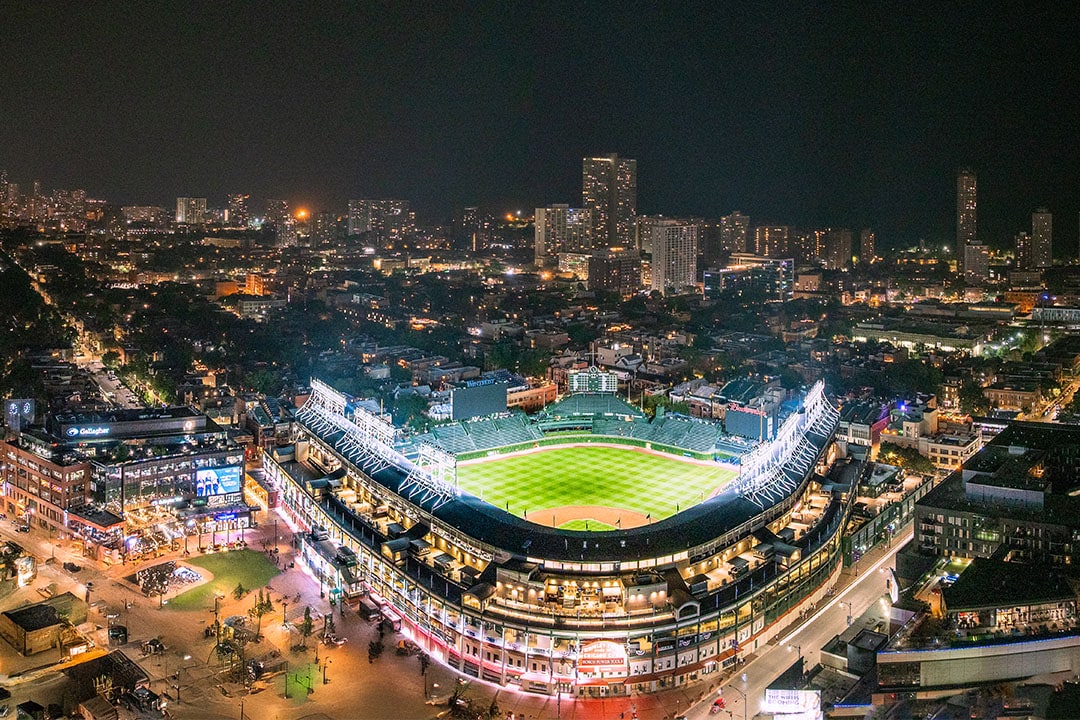
Simply walk a few short blocks west to the CTA Red Line station at Chicago Avenue. Board a northbound train toward Howard and hop off at the Addison station. The moment you step off the train platform, you'll be standing directly under the lights of Wrigley Field, ready to explore one of the most electric neighborhoods in America.

VISIT 360 Chicago
Experience the stunning views of Chicago by purchasing your tickets today. Witness the breathtaking panoramic vistas of the city from this iconic landmark.
Get Tickets


Other Articles You Might Find Interesting
Visit 360 Chicago. Chicago’s iconic landmark with unforgettable views.
Get Tickets


